

Ananta Tours & Travels · +91 79787 07736 · +91 76098 35466 · https://anantatravelskoraput.com/odisha-food-and-traditional-dress/
An Odia meal is built on rice, with lentils and vegetables cooked gently and little oil. The sweets are made from chhena, fresh milk curd, and the cloth is woven on handlooms, some of it in Koraput district itself.
- Staple
- Rice
- GI-tagged sweet
- Odisha Rasagola, 2019
- Sambalpuri ikat
- Bandha
- Koraput's weave
- Kotpad, GI-tagged
At a glance
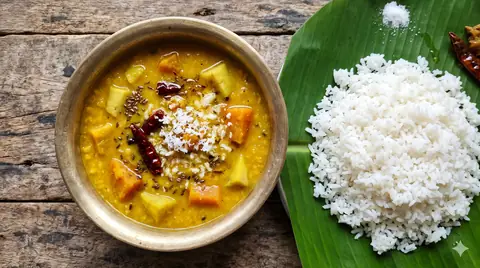 The tableDalma and riceLentils cooked with vegetables
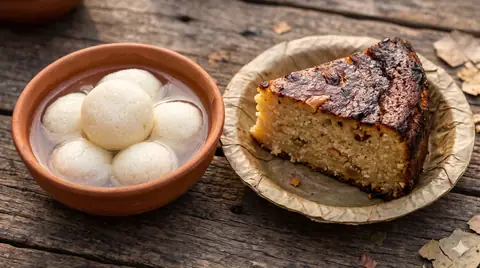 SweetsRasagola and chhena podaMade from chhena, fresh curd
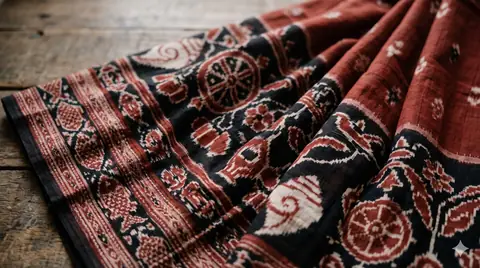 ClothHandloomSambalpuri, Bomkai, Khandua, Kotpad
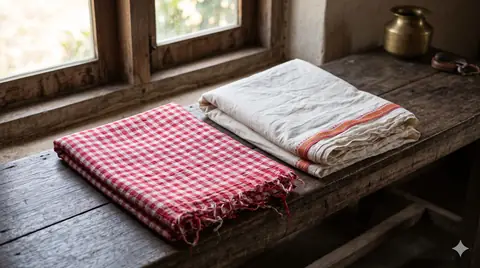 DressDhoti and gamuchaWhat people wear
Rice at the centre

Rice is eaten at most meals, and much of the rest of the table is made to go with it. Odia cooking uses a little mustard oil or ghee, panch phutana (a mix of five seeds) for tempering, and often no onion or garlic in temple food.
- Dalma: lentils cooked with vegetables such as pumpkin, raw banana and papaya, finished with a tempering and roasted cumin. It is part of the Jagannath temple's offerings.
- Pakhala: cooked rice soaked in water, the summer lunch of Odisha. It has a page of its own.
- Santula: lightly cooked vegetables with little spice, home food for an easy stomach.
- Saga: greens fried with garlic and dry chilli, eaten with rice and pakhala.
Sweets

- Rasagola: soft balls of chhena cooked in sugar syrup. Odisha's version has its own Geographical Indication, Odisha Rasagola, registered in 2019. In Puri tradition, it is offered to Lakshmi at the end of Ratha Yatra.
- Chhena poda: chhena, fresh cottage cheese made by curdling milk, mixed with sugar and semolina and baked until the outside caramelises. It is linked with Nayagarh district.
- Khaja: a crisp, layered pastry, fried and dipped in syrup, sold outside the Puri temple and part of Jagannath's offerings.
- Pitha: cakes of rice batter, such as poda pitha for Raja, and manda and arisa for festival days.

Handloom
Odisha weaves on handlooms in almost every district; our handloom guide goes region by region. Four weaves to know:
- Sambalpuri ikat (bandha): from western Odisha. The yarn is tied and dyed before weaving, so the pattern is already in the threads when they reach the loom; its edges have a soft, feathered look.
- Bomkai: named after a village in Ganjam district, with woven motifs in the border and the end piece.
- Khandua: silk ikat from Nuapatna, near Cuttack, woven for Jagannath as well as for people.
- Kotpad: Koraput district's own weave, cotton dyed with natural colours, the deep red-brown from the root of the aal tree, in thick, bold patterns. It holds a Geographical Indication tag.
What people wear

- Men: the dhoti, with a kurta or a shawl over the shoulder, especially for temple visits and festivals.
- Women: the saree, often a handloom one, with Sambalpuri and Bomkai for special days.
- The gamucha: a thin checked cotton towel, carried by almost everyone, for drying, shading the head or tying round the waist.
- In the Koraput hills: the tribal communities have their own cloth and ornaments; the Tribal Museum shows them.
Eating in Koraput
Our list of hotels and restaurants covers Koraput, Jeypore and the roads to the sights.
Want to add Kotpad, Koraput district's weaving town, to your trip? Tell us when you ask for a quote and we plan the road around it: +91 79787 07736 on WhatsApp.


