

Odisha's culture turns around Jagannath: the temples, the festivals, the dance, the food offered and shared, even the cloth. Around that centre sit the folk arts of every district and the life of the state's tribal communities, many of whom live in the hills around Koraput.
- At the centre
- Jagannath of Puri
- Scheduled Tribes
- 62 in Odisha
- Classical dance
- Odissi
- In Koraput
- Sabara Srikhetra
Ways into Odisha's culture
Each guide below is short and stands on its own. Read the one that matches your interest, or all of them before a trip.
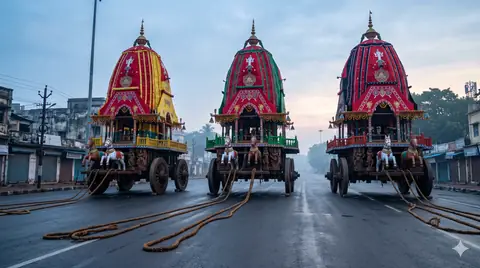 FaithReligion and philosophyJagannath, many faiths and 62 tribes
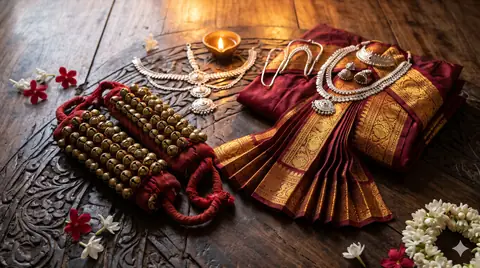 Dance and musicPerforming artsOdissi, Chhau, Gotipua and Pala
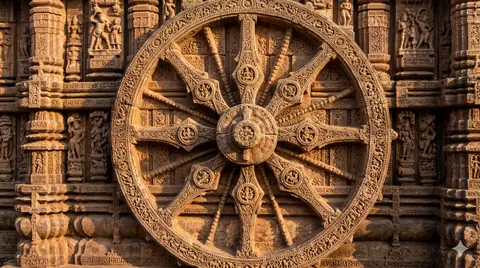 Temples and craftsArchitecture and craftsKalinga temples, Pattachitra, filigree
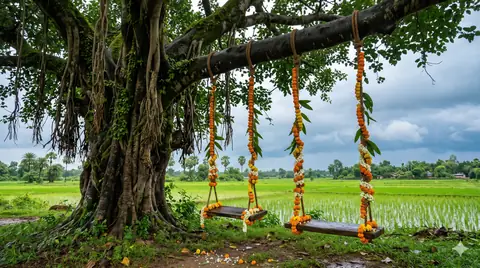 FestivalsOdisha's festivalsRatha Yatra, Raja, Bali Jatra, Nuakhai
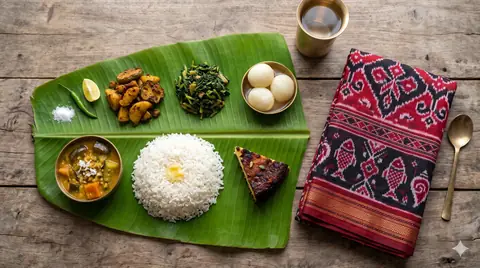 Food and dressFood and dressDalma, rasagola and the handloom sari
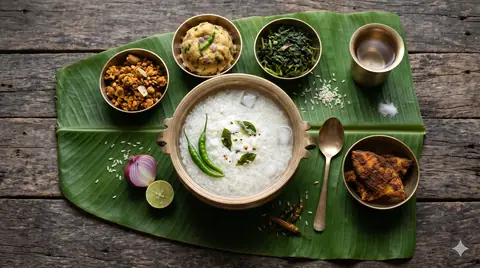 FoodPakhala bhataWater rice, and what goes with it
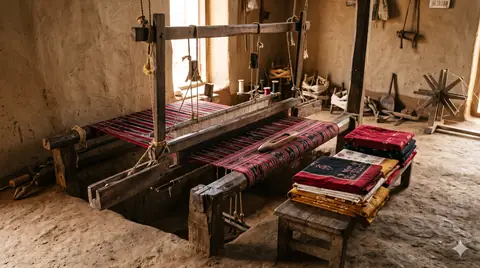 HandloomHandloom by regionSambalpuri, Bomkai, Khandua, Kotpad
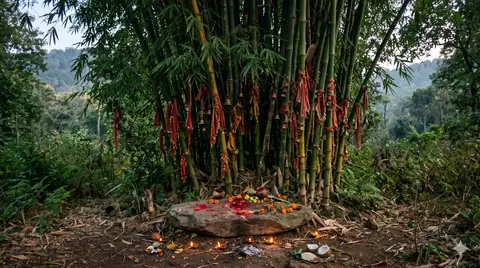 KoraputGoddess templesKanaka Durga, Kanta Baunsuni and more
Faith and philosophy
Jagannath, the Lord of the Universe, is worshipped in Puri with his brother Balabhadra and sister Subhadra, and Puri is one of the four Char Dham. Odisha is also home to 62 Scheduled Tribes, each with its own gods and customs. Religion and philosophy in Odisha.
Dance, music and theatre
Odissi, one of India's classical dances, grew from temple ritual. Alongside it live Mayurbhanj Chhau, Gotipua, Pala, Daskathia and Dalkhai. The performing arts of Odisha.
Temples and crafts
Kalinga temple architecture gave Odisha the Lingaraja in Bhubaneswar, the Jagannath temple in Puri and the Sun Temple at Konark. The crafts follow the temples: Pattachitra painting, silver filigree, appliqué and sand art. Architecture and crafts.
Festivals
Ratha Yatra is the best known, but Raja Parba, Bali Jatra and Nuakhai say as much about Odisha: the earth, the sea trade and the harvest. Odisha's festivals.
Food and dress
Rice and dalma at the table, rasagola and chhena poda after it, and handlooms from Sambalpuri ikat to Kotpad, which is woven in Koraput district itself. Odia food and traditional dress.
Pakhala
Cooked rice soaked in water, eaten at midday through the hot months, with fried and roasted things on the side. Odia people mark Pakhala Dibasa on 20 March. Pakhala bhata: what it is and how to make it.
How Koraput fits in
Koraput sits high in the Eastern Ghats in southern Odisha, a long way from Puri and the coast, but the same culture runs through it, with a local turn.
- Sabara Srikhetra: Koraput's own Jagannath temple, named after the Sabara people, whom Jagannath tradition holds first worshipped the deity in the forest. Everyone is welcome inside, whatever their caste or religion.
- The Tribal Museum: in Koraput town, with the dress, tools, ornaments and instruments of the communities who live in the district.
- The tribal communities: Paraja, Gadaba, Kondh, Bonda and others live in the hills of the Koraput region. Their weekly markets, dances and festivals, such as Chaitra Parba in spring, are part of the life you drive through.
- Kotpad: a handloom town in Koraput district, known for cotton dyed with natural colours.


